If you've walked into a grocery store, gas station, or wellness shop in the last few years, you've seen "CBD" plastered on everything from gummies to dog treats to bath bombs. It's the wellness ingredient of the decade — and also one of the most overhyped, misrepresented, and confusingly marketed substances on the market.
If you've been curious but skeptical (a healthy combination), this guide is for you. We'll cover what CBD actually is, what the research says it does and doesn't do, the legal situation, and — most importantly — how to tell a real product from wellness theater.
What is CBD, technically?
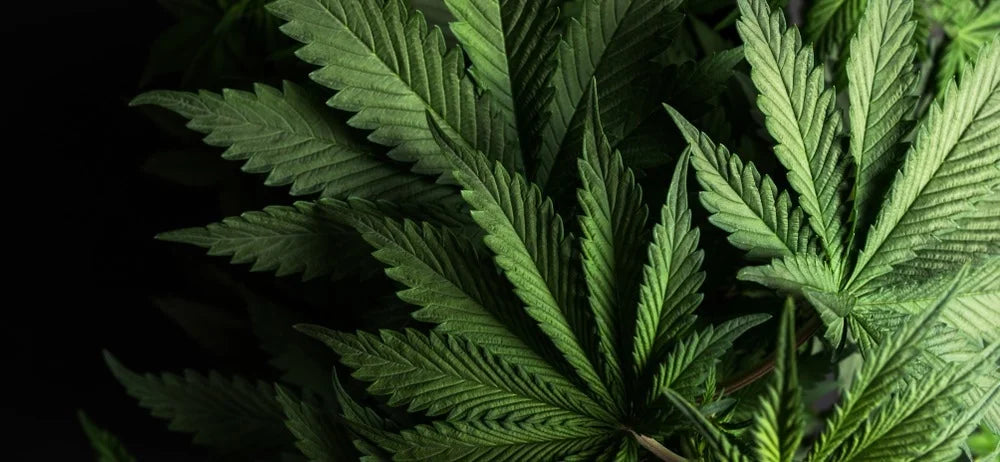
CBD stands for cannabidiol. It's one of over 100 natural compounds called cannabinoids found in the cannabis plant (specifically in hemp and marijuana — same plant species, different cultivars).
Two important things to know upfront:
- CBD is non-psychoactive. Unlike THC, the other famous cannabinoid, CBD does not get you high. It doesn't alter your perception, give you the munchies, or make you anxious. People take it for things like calm, sleep support, and pain relief — not for euphoria.
- CBD is federally legal in the US. Hemp-derived CBD with less than 0.3% THC by dry weight was made federally legal by the 2018 Farm Bill. You can buy it openly, ship it across state lines, and there's nothing illegal about consuming it (although some states have additional restrictions).
How does CBD work in the body?
Your body has something called the endocannabinoid system (ECS) — a network of receptors throughout the body that helps regulate sleep, mood, immune response, pain perception, and inflammation. Your body actually produces its own cannabinoids that bind to these receptors.
CBD interacts with this system, but not in the same way as THC. THC binds directly to the CB1 receptors in your brain (which is why it's intoxicating). CBD doesn't bind strongly to either CB1 or CB2 receptors — instead, it nudges the system, influencing other receptors and slowing the breakdown of your body's natural cannabinoids.
The practical effect: CBD seems to dampen pain signals, reduce inflammation, support calm states, and improve sleep — without producing a high or significant cognitive effect.
What CBD actually does (based on research)
Honest answer: CBD does some things well, some things modestly, and some things probably not at all.
Strong evidence
- Reduces seizures in certain rare childhood epilepsy syndromes — the only FDA-approved use of CBD (Epidiolex)
- Reduces anxiety in clinical settings (social anxiety, generalized anxiety) at therapeutic doses
- Reduces inflammation — demonstrated in animal studies and increasingly in human research
Moderate evidence
- Helps with chronic pain — especially when applied topically for muscle and joint pain
- Improves sleep quality for people with insomnia or sleep disturbances
- Reduces arthritis pain when applied topically or taken consistently
Weak or mixed evidence
- Curing serious illness (don't believe anyone who says this)
- Major weight loss effects
- Skin conditions like acne (some evidence but limited)
No real evidence
- Reversing aging
- Boosting immunity dramatically
- Anything else that sounds like a miracle
Reputable CBD brands talk about it as a useful daily tool for managing inflammation, supporting calm, and helping with pain — not as a cure-all. If a brand is making wild medical claims, walk away.
The three types of CBD (this is important)
When you shop for CBD, you'll see three terms thrown around. Understanding the difference matters — especially if you're drug-tested or sensitive to THC.
Full-spectrum CBD
Contains CBD plus the full range of hemp cannabinoids — including up to 0.3% THC and various terpenes and flavonoids. Many people find full-spectrum products more effective due to the "entourage effect" — the theory that cannabinoids work better together than alone.
The catch: Even at trace levels, the THC can build up with regular use and cause a positive drug test.
Broad-spectrum CBD
Contains multiple cannabinoids but has the THC removed during processing. Less common than full-spectrum or isolate. Safer for drug-tested individuals than full-spectrum, but not guaranteed — trace THC can survive processing.
CBD isolate
Pure CBD, with everything else (including THC) removed. The cleanest, safest option if you're drug-tested or sensitive to THC. Our 1500mg CBD Isolate Tincture is built specifically for this use case — zero THC, third-party lab tested, drug-test safe.
The different ways to take CBD
How you take CBD affects how fast it works and how long it lasts:
- Tinctures (sublingual) — hold under your tongue for 30-60 seconds. Onset 15-45 minutes, effects last 3-5 hours. The most flexible format for dose control.
- Gummies and edibles — swallowed. Onset 45-90 minutes (goes through digestion), effects last 4-8 hours. Convenient but slow.
- Topicals (cream, salve, roll-on) — absorbed through the skin. Onset 15-30 minutes, localized effect on the area applied. Best for muscle/joint pain.
- Capsules — similar to gummies but less fun. Predictable dosing.
- Vapes — inhaled. Onset within minutes, effects last 1-3 hours. Fast but short.
If you're new and unsure where to start: tinctures (sublingual) are the most controllable, gummies are the most pleasant, and topicals work best for localized pain.
How much CBD should you take?
There's no universal dose. Effective doses vary widely based on body weight, condition, individual response, and product quality. Some general starting points:
- Sleep or general calm: 15-30mg daily
- Mild anxiety: 25-50mg daily
- Moderate pain: 30-50mg, multiple times per day
- Chronic conditions: often 50mg+ daily, divided into doses
The cardinal rule: start low, go slow. Take a small dose, wait a few days to assess effects, then adjust up if needed. Most people find their effective dose within 2-3 weeks of consistent use.
How to tell a real CBD product from a fake
The CBD industry is barely regulated, which means quality varies wildly. Some products contain a fraction of the CBD they claim. Some contain illegal levels of THC. Some are contaminated with pesticides or heavy metals.
To avoid getting scammed, check:
- Third-party lab results (Certificate of Analysis / COA) — every batch should have one. A real brand publishes the COA on the product page. View ours here.
- Total mg of CBD clearly listed — and ideally a per-serving breakdown
- Reasonable price — real CBD costs money to produce. Suspiciously cheap CBD is usually fake or weak.
- Made in the USA with American-grown hemp
- Specific ingredient list — not vague claims like "hemp blend"
- Reputable brand with real reviews — not just gas station shelves
What to know before you buy
If you're trying CBD for the first time, set realistic expectations:
- It might take 1-2 weeks of daily use to feel meaningful effects (especially for sleep or anxiety)
- It probably won't work like Tylenol — the effects are subtle and cumulative for most people
- If you don't feel anything from a low dose, try a higher dose before giving up
- Topical CBD generally works faster than oral CBD for localized pain
- If you're tested for drugs, stick with CBD isolate products only
If you want to dig deeper into how CBD compares to THC, read our guide to CBD vs Delta-9 THC. If you're worried about drug testing, see our drug test guide.
Where to start with Alter Native
Based on what you're trying to address:
- Back, knee, or joint pain? Start with our CBD Pain Relief topicals — cream, roll-on, or salve depending on the area
- Want daily wellness support without any THC? The CBD Isolate Tincture (THC-free) is the cleanest entry point
- Looking for evening relaxation or better sleep? Our CBD + Delta-9 THC gummies are dosed for that exact use case
All Alter Native products are third-party lab-tested. We publish the COAs and we keep the math honest — the milligrams on the label match what's in the bottle.
Frequently asked questions
Is CBD safe?
For most healthy adults, CBD is well-tolerated and considered safe. Side effects are mild and uncommon — mostly mild drowsiness, dry mouth, or appetite changes. CBD can interact with some medications (especially blood thinners and certain anti-seizure drugs), so check with your doctor if you take prescription medication.
Will CBD get me high?
No. CBD is non-psychoactive. You won't feel high, intoxicated, or impaired. Even full-spectrum CBD products (with trace THC) don't typically produce a high at normal doses.
Is CBD legal?
Hemp-derived CBD with under 0.3% THC is federally legal in the US. Some states have additional restrictions, especially around specific cannabinoids like Delta-8. CBD products from reputable brands are legal nationwide.
How long does it take for CBD to work?
Onset varies by format. Tinctures: 15-45 minutes. Topicals: 15-30 minutes on the applied area. Gummies/edibles: 45-90 minutes. For sleep, anxiety, or chronic pain, the cumulative effect of consistent use over 1-2 weeks matters more than any single dose.
Can I take CBD with other medications?
Sometimes. CBD can interact with blood thinners, certain anti-seizure medications, and some antidepressants. If you take any prescription medication, check with your doctor or pharmacist before starting CBD.
Will CBD show up on a drug test?
Pure CBD won't. But many "CBD" products contain trace THC that can fail you. If you're drug-tested, stick to CBD isolate products only. Read our full drug test guide for details.
Can I overdose on CBD?
No fatal overdoses on CBD have ever been recorded. Taking too much can cause drowsiness, mild stomach upset, or fatigue, but it's not dangerous in any acute sense. Still, start with low doses and work up.
Real CBD. No miracle claims.
Every Alter Native product is third-party lab-tested with the COA published. Strength on the label matches what's in the bottle. Pick the format that fits what you're trying to address.
This article is for educational purposes and is not medical advice. Consult your doctor if you have questions about CBD, especially if you have a medical condition or take prescription medication.