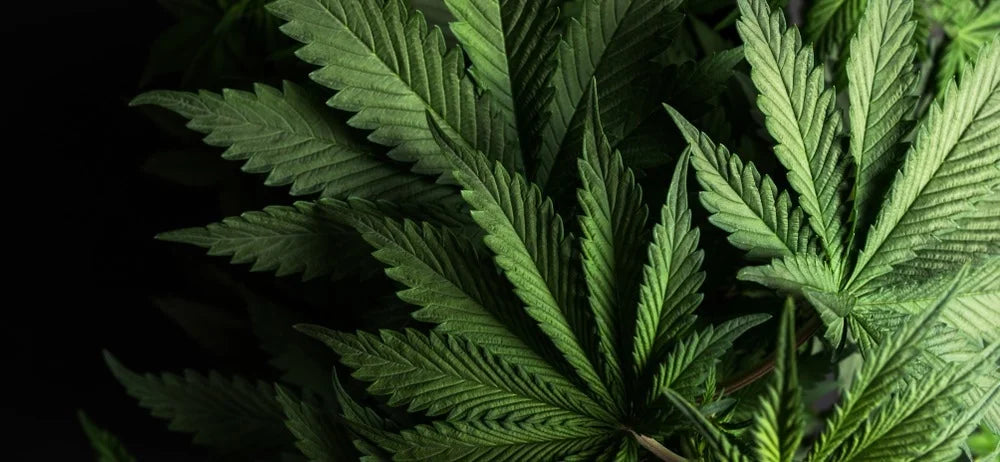
If you're new to hemp products, the labels can feel like alphabet soup. CBD. THC. Delta-9. Delta-8. Full-spectrum. Isolate. And the big question most people actually want answered: will this get me high, and is it legal?
Here's a straight, no-fluff explanation of the difference between CBD and Delta-9 THC, what each one feels like, the legal situation, and how to decide which one is right for you.
What is CBD?
CBD (cannabidiol) is one of the most abundant cannabinoids in hemp. It's non-intoxicating, meaning it doesn't get you high. People take CBD for things like everyday stress, sleep support, muscle soreness, recovery, and general calm.
CBD interacts with your endocannabinoid system — a network of receptors throughout your body that helps regulate mood, sleep, immune response, and pain perception. But unlike THC, CBD doesn't bind strongly to the receptors that produce a high. It nudges, it doesn't shove.
You can take CBD as a tincture, gummy, capsule, topical cream, or vape. Each format has different onset and duration. If you're looking for topical relief specifically, check out our CBD Pain Relief collection.
What is Delta-9 THC?
Delta-9 THC (tetrahydrocannabinol) is the cannabinoid most people are talking about when they say "THC." It is intoxicating — it's the compound that produces the classic cannabis high: euphoria, relaxation, altered perception, increased appetite, and (depending on dose and person) sleepiness or anxiety.
Delta-9 binds directly to CB1 receptors in your brain, which is why the effects are so much more noticeable than CBD.
"Hemp-derived Delta-9" — what's the deal?
You may have noticed Delta-9 products being sold legally online and in non-cannabis states. That's because of a specific legal carve-out: hemp-derived Delta-9 THC products that contain less than 0.3% THC by dry weight are federally legal under the 2018 Farm Bill. That's the same Delta-9 — same molecule, same effects — just sourced from hemp and dosed within the legal threshold.
Our Delta-9 Tincture 2000mg is a great example: smooth, full-spectrum, federally compliant, and genuinely feels like THC because it is THC.
Will it get you high?
- CBD: No. You'll feel calmer, less tense, maybe more comfortable in your body — but not high.
- Delta-9 THC: Yes. Even hemp-derived Delta-9 is real THC and produces real effects. Dose matters a lot. 2.5–5mg is a light, social dose. 10mg is a noticeable buzz for most. 25mg+ is a strong experience.
- CBD + Delta-9 blend (like our CBD+D9 Gummies collection): A milder, more balanced experience. The CBD softens the rougher edges of THC — less anxiety, less racing thoughts, more even-keeled. This is what a lot of first-timers actually want.
Federal legality, in plain English
The 2018 Farm Bill legalized hemp and all derivatives as long as the Delta-9 THC content is below 0.3% by dry weight. That includes:
- CBD products of all kinds
- Hemp-derived Delta-9 THC products that meet the threshold
- Other hemp cannabinoids like CBG, CBN, Delta-8, and HHC (though some states regulate these separately)
Some states have additional restrictions on hemp-derived THC. Check your state's rules before ordering, and we'll never ship somewhere we can't legally ship to.
Drug test implications
This is where people get tripped up. Here's the important bit:
- Drug tests look for THC metabolites — not CBD.
- Any product that contains Delta-9 THC (including federally legal hemp-derived Delta-9) can absolutely cause a positive drug test.
- Full-spectrum CBD products contain trace THC (under 0.3%) which can also trigger positives, especially with regular use.
- The only category that's genuinely drug-test-friendly is CBD isolate — pure CBD with no THC at all. Our CBD Isolate Tincture 1500mg THC-Free is built for exactly this use case. For a deeper dive, read our guide on whether CBD shows up on drug tests.
If you're tested at work, in athletics, or for any other reason — stay in the CBD isolate lane. Don't risk it.
Onset times by format
Different delivery methods hit at different speeds. Here's the general guide:
- Tinctures (sublingual): 15–45 minutes for both CBD and Delta-9. Hold under the tongue for 60 seconds for fastest onset.
- Gummies and edibles: 45–90 minutes. Slower because they go through your digestive system. Effects last longer — 4 to 8 hours.
- Topicals (creams, salves, roll-ons): 10–30 minutes for localized relief. Don't enter the bloodstream meaningfully, so no high — even with full-spectrum.
- Vape: Almost immediate (1–5 minutes). Shortest duration.
If you're new and trying edibles, the cardinal rule is: start low, wait long. Take 2.5–5mg, give it a full 90 minutes before deciding to take more. Most bad experiences come from people who didn't wait.
Which is right for you?
Quick decision tree:
- You want to feel calmer or sleep better, but stay completely clear-headed? CBD only. Try our CBD Isolate Tincture.
- You're drug-tested? CBD isolate only. Same product as above — zero THC.
- You want the classic THC experience (relaxation, mild euphoria, appetite, sleep)? Delta-9. Try our Delta-9 Tincture 2000mg.
- You want a gentler, more balanced experience — the social-dose sweet spot? CBD+D9 blend. Try the CBD+D9 Gummies collection (Peach, Strawberry, or Mixed Fruit).
- You have localized pain or soreness? Topical CBD. Doesn't matter if it's full-spectrum — you won't feel high either way.
Whatever you pick: start with a low dose, give it time to work, and pay attention to how you feel. Hemp products aren't one-size-fits-all, and the right product depends entirely on what outcome you're chasing.
Not sure where to start?
Browse the full Alter Native catalog — CBD topicals, Delta-9 + CBD gummies, and pure CBD tinctures. All third-party lab-tested, all made in the USA.
This article is for educational purposes and is not medical advice. Consult your doctor if you have questions about CBD or hemp-derived products.